
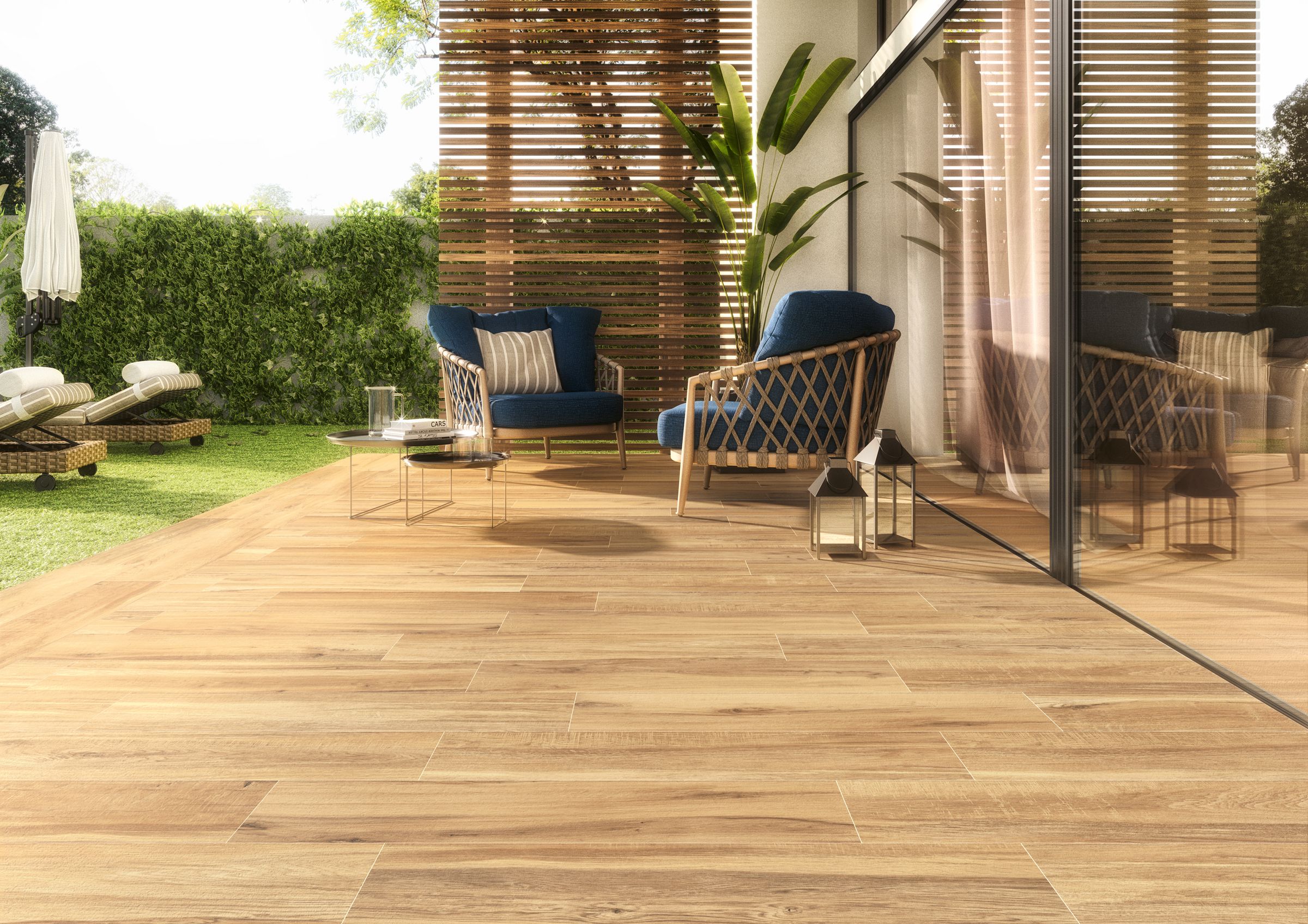
CERAMIC or PORCELAIN TILES?
With so many options available, this is a very common question when choosing ceramic finishes for construction and renovation projects.
Both materials are quite similar, but they have distinct qualities and characteristics. Neither is better than the other; they are simply different and come at different price points. However, one may be more suitable than the other depending on the intended purpose, area of application, and level of performance required.
AESTHETICS:
KONSTRUMAT offers a wide variety of colours and sizes in both types of tiles, with options to suit every taste!
When it comes to sophistication, porcelain tiles are often the preferred choice. They are more homogeneous than ceramic tiles, and their polished versions offer an exceptional shine.
However, as interior design trends increasingly favour matte and low-gloss finishes, ceramic tiles are once again competing on equal terms for consumer preference, but only in terms of aesthetics.
RAW MATERIAL:
Ceramic tiles are made up of 70% clay and have a decorative surface coating, usually glass, which allows for a wide range of decorative finishes and delivers an attractive aesthetic result.
Porcelain tiles are made from 70% mineral powder derived from rock, making them more waterproof, harder and more resistant. Their water absorption rate is extremely low, which is why flexible adhesives with stronger bonding properties are required. They are an excellent choice for all types of outdoor areas.
DURABILITY
One of the factors that influences a tile’s durability is the firing temperature during production. Ceramic tiles are fired in a kiln at around 800°C, while porcelain tiles undergo a firing process at an impressive 1,200°C.
The higher the firing temperature, the greater the material’s resistance. Therefore, porcelain tiles are more resistant and durable than ceramic tiles. This makes them a better choice for high-traffic areas, spaces used by people and equipment, work areas in homes, other residential spaces, outdoor areas and more.
VERSATILITY
One of the most interesting features of porcelain tiles is the availability of options that realistically replicate finishes such as wood and natural stone. Porcelain tiles also tend to be in greater demand than ceramic tiles.
Although porcelain tiles are more expensive, they offer greater durability and resistance, making them a worthwhile investment.

In conclusion, every space and interior design style calls for the right type of porcelain or ceramic tile, one that meets not only your visual preferences but also the technical requirements of the intended application.
In a residential setting, for example, bedroom and living room floors can have smoother, glossier finishes. This differs from bathrooms, kitchens and outdoor areas, where water is more likely to be present. For your safety, these surfaces should have slip-resistant finishes.
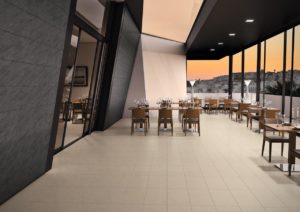
In spaces such as bars, restaurants, public buildings, offices, hospitals, hotels and building entrance halls, the demands in terms of abrasion resistance, impact resistance and resistance to wear are much higher. It is therefore essential to seek expert advice to determine the most suitable product for each application.
At Konstrumat, we strive to understand our customers’ needs and how each product will be used, so we can recommend the most suitable solutions for every application.


